


Between Diagnosis, Shame, and Self-Determination: Living with HPV and Sexuality
24 March 2026
A letter. A term. “HPV positive.” For many women, it’s precisely that moment that changes everything – or at least it feels that way. For Simone Hotz, her journey with HPV didn’t begin with symptoms, but with a routine screening and a stark letter in the post. “For me, that moment was mainly psychologically unsettling. I couldn’t make sense of the diagnosis at first and had to do my own research.”
HPV – the Human Papillomavirus – is one of the most common sexually transmitted infections worldwide. Yet knowledge about it remains surprisingly patchy. Between medical reality and societal silence lies a space where uncertainty, shame, and fear can grow. And this is exactly where pjur wants to step in: with information, context, and a personal perspective. Simone notes that the taboo around HPV in social circles only heightens uncertainty. Conversations about HPV are rare, leaving many affected individuals feeling isolated.
Between Medical Routine and Inner Uncertainty
Simone discovered her HPV infection in 2020, during changes to gynecological screening protocols. Being over 35, she was offered a routine HPV test for the first time. The result came in a letter: HPV positive. What followed was felt less physically and more emotionally. For Simone, receiving the result by post was particularly difficult, as she was suddenly confronted with a medical reality without anyone explaining the next steps. “The biggest issue for me was the inner conflict: on one hand, everywhere I read that HPV is extremely common. On the other, I knew it was linked to cancer.” This very discrepancy characterises many diagnoses. On one side, there’s the information that around 85–90% of sexually active people contract HPV at some point in their lives often without noticing. On the other hand, there’s the knowledge that certain HPV types are associated with cancer. It’s important to note that HPV does not automatically mean cancer; low-risk types are not linked to it. Simone adds that the internet often creates more confusion than clarity, as conflicting information is hard to navigate.
What’s often missing is context. After her positive test, Simone was referred to a dysplasia clinic. Even though her Pap smear (Pap II-g) showed no serious cellular changes, further investigations were planned. A colposcopy and biopsy followed to examine to identify possible or potential cellular changes. “Rather than gaining clarity, I felt like I had suddenly become part of a medical process without fully understanding each step and its significance.” Many affected people share this feeling. Medically, the structured process makes sense: a positive HPV test leads to closer monitoring, possible colposcopies, and biopsies if needed, aiming to detect and treat potential cellular changes early.
Yet without understandable explanations, this approach can feel more threatening than it actually is. Crucially: an HPV infection is not a disease per se. It is a viral detection. And in around 90% of cases, the immune system clears the infection within one to two years – a process called “clearing.” After this, the test comes back negative, and the virus is no longer detectable. This was the case for Simone: her test returned negative after around twelve months. The reassurance that the immune system controls the virus in most cases ultimately gave her the confidence to live her everyday life without anxiety.
What Does HPV Really Mean?
Most HPV infections are symptom-free. Many people only learn they have it when tested. Simone experienced hardly any symptoms, aside from a bacterial vaginosis that may have been linked to the infection. Classic symptoms? None. Longer-standing infections can, however, lead to genital warts. High-risk types typically don’t cause anything you can see from the outside or physically feel. There’s no pain in the cervix.
That doesn’t mean HPV should be taken lightly. Persistent infections can lead to cellular changes, particularly in the cervix, but also in the vagina, vulva, or anal area. Importantly, HPV-related cellular changes are about a hundred times more common than HPV-related cancers. Simone emphasises that regular check-ups provide not just medical reassurance but also support mental well-being.
Prevention is key. Since 2020, women over 35 in Germany undergo a so-called co-test (Pap smear plus HPV test) every three years. This test is more sensitive than a Pap smear alone. Yet many women find the switch to a three-year interval unsettling. “For decades, we were told to have a smear every year, and suddenly three years is enough? Without clear information, it’s hard for laypeople to understand.” Again, it’s not the medicine itself that causes uncertainty, but a lack of explanation.
Sexuality, Relationships, and the Weight of Shame

An HPV diagnosis affects not just the body, but also identity, intimacy, and self-perception. “I felt very strongly that I didn’t want anyone ‘in me’ at that moment. No new partners, no new infections,” says Simone. The diagnosis came during a dating phase and amid a global pandemic. New contacts potentially meant exposure to other HPV types. She consciously chose a pause, which made her decision easier at the time.
Many affected individuals report similar reactions: uncertainty, withdrawal, fear of transmission, concern about cancer risk. HPV can, at least temporarily, impact sexual freedom. A particularly troubling myth is that HPV is proof of infidelity. The virus can remain dormant in the body for years or reactivate under certainconditions, such as stress or hormonal changes. A positive result says nothing about when or from whom the infection came. The idea that HPV only affects women is also false. Men are just as likely to contract it, though they are rarely tested and often unknowingly transmit it.
For existing relationships: if both partners have had unprotected sex, it’s very likely both have been exposed. Full protection via condoms is impossible because HPV spreads through skin-to-skin contact, but barrier methods can reduce risk and support the “clearing” process if there are existing cellular changes. “Sexuality can and should continue,” Simone advises. Information, communication, and realistic understanding are key. She also recommends discussing concerns openly with partners to maintain emotional closeness and reduce anxiety.
Vaccination, Self-Care, and Responsibility
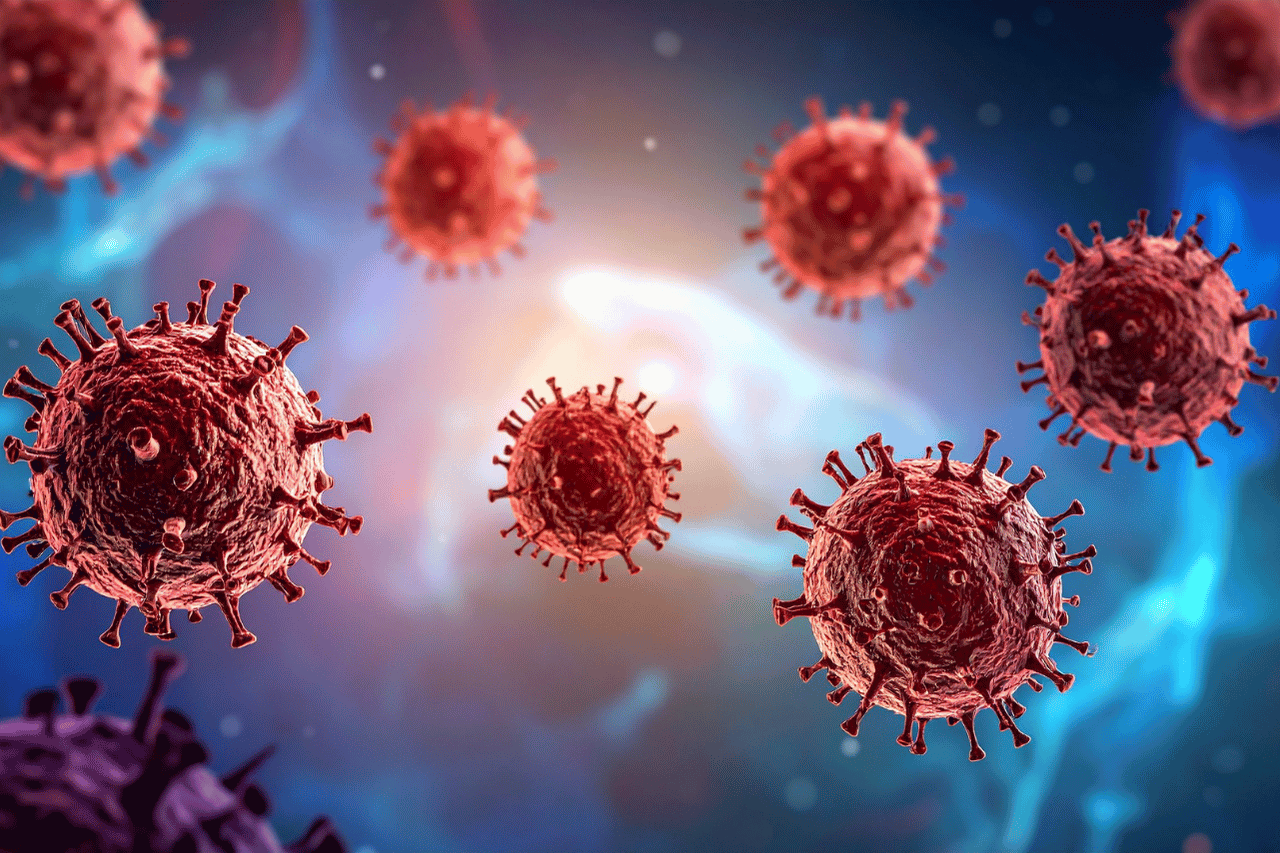
For Simone, the HPV vaccine is central in managing the virus. “No one can know in advance whether they belong to the 90% who control HPV easily or the 10% for whom it’s more challenging.” Choosing vaccination provided not only medical prevention but also psychological relief. Feeling able to take action boosted her confidence and gave her a sense of control.
The vaccine protects against the most common and potentially high-risk HPV types, ideally given before first sexual contact. Recent research shows it can also benefit (young) adults who are already sexually active. For Simone, vaccination is also an act of solidarity and is a protection for herself and for others.
Alongside medical care, she stresses self-care: reducing stress, sleeping well, maintaining a balanced diet, and avoiding smoking. She also prioritises microbiome-friendly intimate care to support mucosal health. Using lubricants is also advisable to reduce micro-injuries. “Micro-injuries usually go unnoticed. They don’t hurt, but they’re relevant because pathogens like HPV use these tiny cracks to enter the mucosa,” she explains.
HPV is widespread yet highly tabooed. “HPV is something you simply don’t want and don’t want to pass on.” Perhaps that’s the core of silence. There’s no immediate cure, protection isn’t absolute, and the possible link to cancer worries many. This responsibility can feel heavy. But silence only strengthens the taboo. “HPV is human. Almost everyone has it.” Knowledge can reduce fear. Conversations can dismantle shame. Regular screening provides security. Simone’s key message to those newly diagnosed: “Don’t panic.” An HPV diagnosis is not a verdict. It is information. And information enables self-determination.
Conclusion: From Viral Detection to Self-Determination
An HPV diagnosis often changes perception more than the body. It raises questions about transmission, responsibility, and potential risk. At the same time, medical reality paints a nuanced picture: HPV is common, often unnoticed, and usually controlled by the immune system. The true burden often stems from lack of context, taboo, and association with serious diseases – statistically possible but much rarer than feared. Between medicine and societal silence, uncertainty arises that many must navigate alone. Simone’s story shows that education, regular check-ups, and open conversation are invaluable. HPV is not a moral judgment or a sign of guilt. It is viral detection. And viral detection is first and foremost information. Information enables understanding. Understanding reduces fear. And understanding empowers self-determined decisions.
FAQ: Common Questions About HPV
What does HPV positive mean?
A positive HPV test simply indicates that the Human Papillomavirus has been detected. It is not a cancer diagnosis, nor does it automatically indicate disease. Most HPV infections are symptom-free and controlled by the immune system within one to two years. Only persistent high-risk types may require medical observation or treatment.
How dangerous is HPV?
Most HPV infections are harmless and resolved without treatment. Certain high-risk types can cause cellular changes if the infection persists, potentially leading to cancer. Regular check-ups and early investigation of abnormal results are essential.
How long does HPV stay in the body?
About 90% of infections are cleared by the immune system within one to two years, after which the virus is no longer detectable. If an infection remains “active” for longer, it is considered a persistent infection and should be monitored by a medical professional.
Can I have sex with HPV?
Yes. An HPV diagnosis does not require stopping sexual activity. Information, open communication, and realistic risk assessment are key. Condoms do not provide complete protection but reduce transmission risk.
Is HPV a sign of infidelity?
No. The virus can remain in the body for years or reactivate under certain conditions. A positive result does not indicate when or from whom the infection came.
This article is intended for education and guidance and does not replace medical advice. Consult a doctor for personal health concerns.
About Simone Hotz

Simone lives and works in Frankfurt am Main in Germany. She is an educational scientist and certified sex educator (gsp), specialising in topics often left unspoken.
After her own HPV diagnosis, Simone delved deeply into the subject, recognising large knowledge gaps and questions arising whenever HPV is mentioned. Vaccination is also a topic of interest.
Today, she shares factual, accessible, and non-alarmist information about HPV, sexuality, and prevention on Instagram.
Her book “Lustbewusst” was published in 2021, with a second book on HPV scheduled for Spring 2026.
Instagram: @hpv_positive_vibes