


From Pain to Self-Determination: My Life with Endometriosis
10 March 2026
Severe menstrual pain is still widely considered something women simply have to endure. “That’s just part of it,” many people hear from a young age. But what happens when pain is not just a monthly inconvenience, but something that shapes everyday life? When work, relationships, and life plans revolve around a body that seems to be constantly under stress? Endometriosis is a chronic condition that affects millions of women, yet it is still often diagnosed far too late. Between misdiagnoses, dismissed symptoms, and years of medical gaslighting, many patients are not only fighting physical pain but also struggling to be taken seriously. Lena Düsterhus lives with endometriosis. In our interview, she speaks openly about delayed diagnoses, surgeries, fertility struggles, career changes, and how pain gradually turned into a path toward self-determination.
What Is Endometriosis?
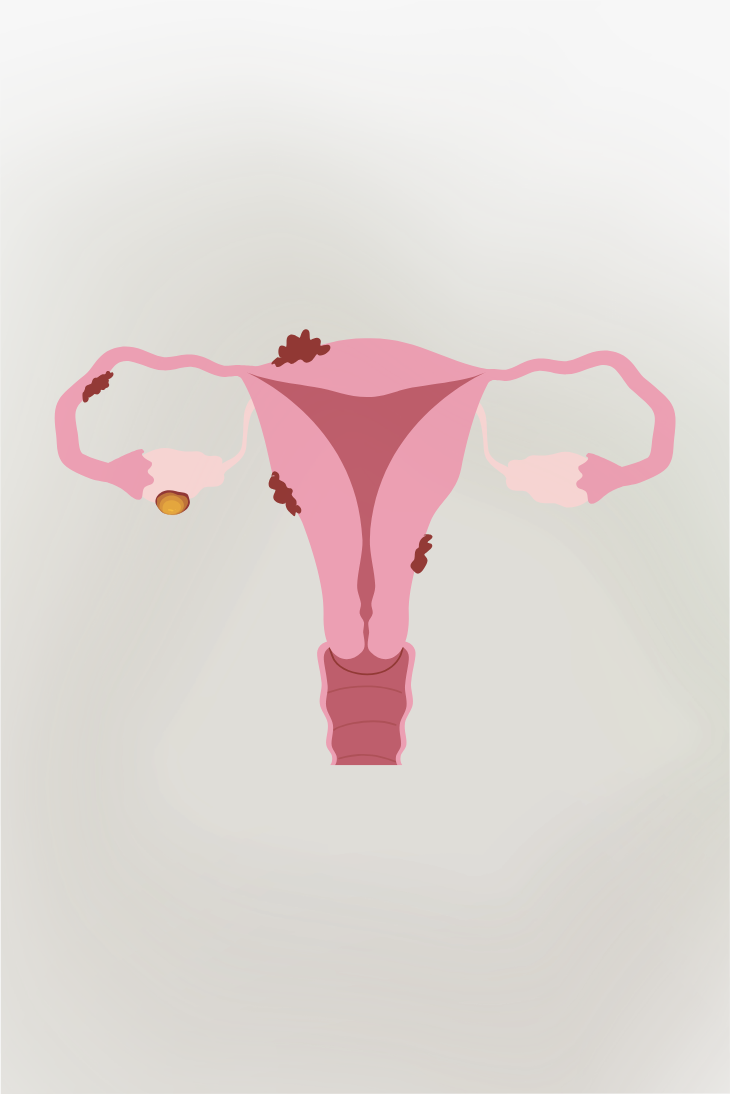
Endometriosis is a chronic and often painful condition in which tissue similar to the uterine lining grows outside the uterus. These so-called endometriosis lesions can develop on the ovaries, intestines, bladder, or the peritoneum. In rare cases, even more distant structures can be affected. Because this tissue reacts to hormonal changes during the menstrual cycle, it can trigger inflammation, scarring, and chronic pain. The severity of the condition varies greatly. Some people experience severe symptoms, while others only notice mild discomfort. Diagnosis is frequently delayed because many symptoms are nonspecific and are initially attributed to other causes. It is estimated that about one in ten women of reproductive age is affected.
When Severe Period Pain Isn’t “Normal”
There wasn’t a single moment when everything began. No clear turning point. Instead, there was a condition that slowly became normalized over the years. Since her first period, Lena had experienced heavy bleeding, fainting spells, and regular use of pain medication. Many friends her age also talked about painful periods. Pain wasn’t questioned – it was collectively minimized. After all, if so many people experience it, how unusual could it really be? Only in adulthood did Lena begin to question that perception. She tried various hormonal contraceptives in hopes of relief, but the improvement never lasted. At 24, she stopped taking hormones while trying to start a family. Her symptoms worsened dramatically. The pain became so severe that she eventually had to be hospitalized. Looking back, she describes that moment as a turning point. “That was when I knew: this isn’t normal.” She received her confirmed diagnosis of endometriosis in May 2020. About three years passed between escalating symptoms and diagnosis. But when looking at her full medical history, that number becomes misleading. “Since I was 15, no doctor ever really looked closely or took my pain seriously,” she says. “So, it wasn’t three years. It was actually ten years until diagnosis.”
When Pain Isn’t Taken Seriously
Many people with endometriosis report not being taken seriously for years. Symptoms are downplayed, attributed to psychological causes, or dismissed as oversensitivity. Lena experienced this as well. When asked about her experiences with doctors, she answers briefly: “In short: years of medical gaslighting.” Medical gaslighting refers to situations where real physical symptoms are minimized or questioned. Patients are told they are overly sensitive, exaggerating, or imagining their pain. Over time, many begin to doubt themselves. Lena heard these responses repeatedly: “I was constantly told I was too sensitive, that I was overreacting, or even imagining the pain.” She emphasizes how harmful this dynamic can be. When symptoms are framed as psychological despite having physical causes, diagnosis and treatment are delayed. “A little message to everyone who said my ‘worries’ were the cause: it’s endometriosis and adenomyosis. Yes, stress can worsen symptoms but it’s not the cause. And to anyone who feels like they aren’t being taken seriously: your pain is real.”
Living With Endometriosis: Between Adaptation and Self-Care
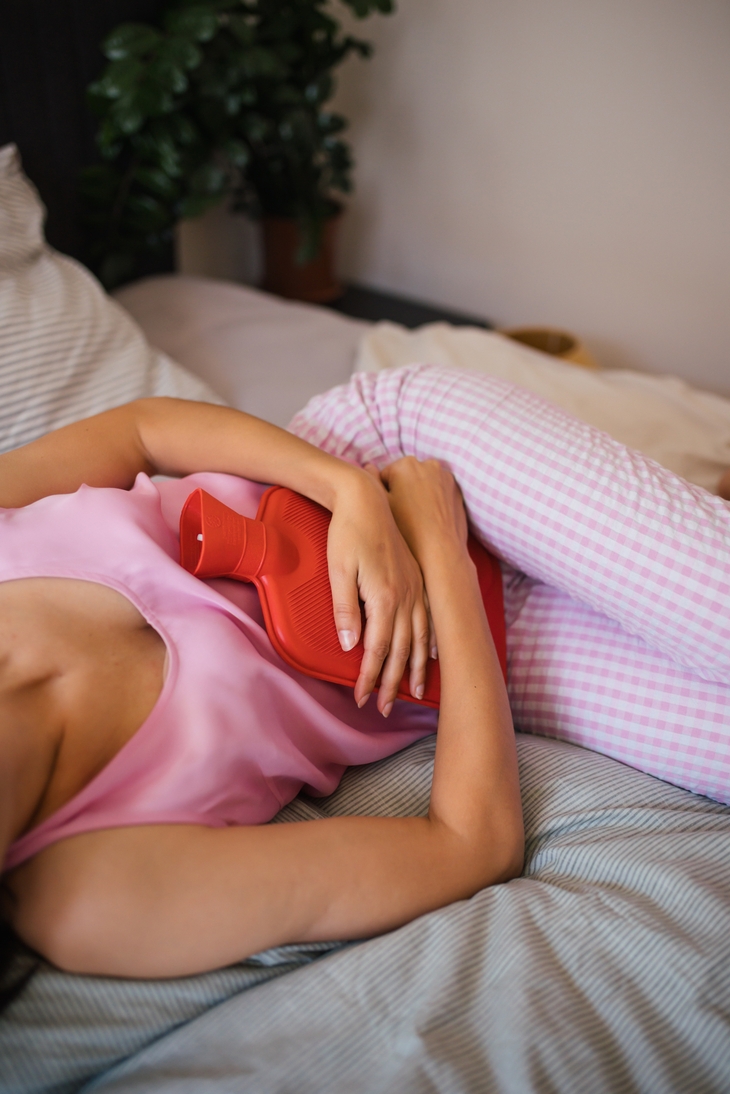
Endometriosis doesn’t only affect certain phases of the menstrual cycle; it can shape everyday life. It is considered a whole-body condition, meaning symptoms often extend beyond the uterus. Pain, digestive problems, fatigue, and psychological stress can reinforce each other and affect multiple areas of life. For Lena, the disease manifested through severe menstrual pain and chronic lower abdominal pain. “During my period I always had such severe diarrhea that I regularly had to call in sick,” she says. Over the years, panic attacks, depressive phases, and intense exhaustion were added to the list of symptoms. Her professional life was particularly affected. Lena worked as a kindergarten teacher – her dream job. But the physical limitations and constant fatigue eventually made it impossible to keep up with the demands. “I had to give up my dream job. That goodbye hurt deeply.”
After leaving her job, she decided to change careers. She completed an online program in social media management and now works from home. The flexible work environment helps her manage her physical energy more carefully. Still, the disease remains present. Plans often need to be canceled at short notice, and spontaneous activities are difficult. “You plan everything around endometriosis: every dinner, every date, every activity.” Living with the condition means constantly negotiating with one’s own body and accepting limits. And yet she says: “My life is beautiful in all its facets.” Medical procedures have also been part of her journey. Within nine months, she underwent four surgeries. The recovery periods were physically and emotionally challenging. A key turning point for her was rehabilitation at a specialized endometriosis clinic. “That time helped me enormously. Even today I say: getting the diagnosis is the first step toward improvement.”
Rethinking Intimacy
Endometriosis doesn’t only affect daily routines; it can also impact intimate relationships. Pain during sexual intercourse is one of the most distressing symptoms for many patients. This condition, known as dyspareunia, can cause intimacy to become associated with fear, tension, or avoidance. Every experience is different, but the condition often presents couples with new challenges. Intimacy may become more planned, more cautious, and sometimes less frequent. This makes open communication, understanding, and mutual support especially important. For Lena, this means listening carefully to her body and clearly communicating boundaries. Spontaneity isn’t always possible. Instead, the focus shifts to mindfulness, recognizing physical signals, and removing pressure from the situation. Intimacy becomes less about sexuality alone and more about trust, patience, and mutual care. Chronic illness can challenge relationships, but it can also deepen openness and connection. When pain is acknowledged rather than hidden, space is created for self-determination and genuine closeness.
Treatment and Individual Paths
Treating endometriosis is highly individualized and usually involves a combination of medical treatments and supportive measures. Which approach works best depends on symptoms, lifestyle, and personal circumstances. For Lena, surgery, outpatient pain therapy, physiotherapy, and rehabilitation in a specialized clinic were key elements of treatment. She also takes daily medication to manage pain. Beyond medical care, many people explore supportive approaches such as anti-inflammatory nutrition, Yin yoga, heat or cold therapy as well as nutritional supplements. “Unfortunately, there’s no single path to living symptom-free with endometriosis. Everyone must find their own way and that often means trying things, adjusting, and starting again.” Endometriosis can also affect fertility. However, it’s important to differentiate: the condition does not automatically mean infertility. Many people conceive naturally. In some cases, however, medical assistance may be needed. Lena was diagnosed with unexplained couple infertility, meaning that pregnancy does not occur naturally despite normal individual test results. Together with her partner, she is currently undergoing ICSI (intracytoplasmic sperm injection). During this procedure, a single sperm cell is injected directly into an egg in the laboratory. The fertilized embryo is then transferred to the uterus. Two embryo transfers have so far been unsuccessful. Yet she remains hopeful: “Hope is something no one can take away from me.”
Myths, Reality, and Self-Determination
Endometriosis is still surrounded by many myths. Some people believe the disease is curable or that pregnancy can permanently eliminate it. Severe menstrual pain is still frequently dismissed as normal. Another misconception is that endometriosis only affects the uterus. “Stress can worsen symptoms, but it is not the cause. Endometriosis is real and physical,” Lena emphasizes. Other persistent myths include: “You can’t get pregnant with endometriosis.” or “The pill solves the problem.” In reality, the disease is complex and highly individual. Simplified explanations rarely reflect the medical reality.
Conclusion: Between Pain and Self-Determination
Endometriosis is a chronic condition with physical, emotional, and social dimensions. It affects daily routines, relationships, careers, and life decisions. At the same time, it remains widely misunderstood and frequently diagnosed late. Lena’s story illustrates how complex this journey can be from years of dismissed symptoms to surgeries and fertility challenges. Yet she doesn’t view the diagnosis only as a loss. For her, it was also a turning point. “The life I live today is something I owe to this illness. It pushed me to take new paths and today I live a happy, fulfilling life with endometriosis.” This perspective doesn’t minimize pain or hardship. Instead, it reflects a process in which knowledge, self-awareness, and communication become powerful resources. Endometriosis does not define an entire person. It is part of life but not its whole story. With medical support, personal adaptation, and an environment that listens, it is possible to maintain quality of life even while living with chronic illness.
FAQ: Common Questions About Endometriosis
What Exactly Is Endometriosis?
Endometriosis is a chronic condition in which tissue similar to the uterine lining grows outside the uterus. This tissue reacts to hormonal changes during the menstrual cycle and can cause pain, inflammation, and adhesions.
How Long Does It Usually Take To Diagnose Endometriosis?
Many patients report diagnostic delays of several years. Symptoms are often minimized or attributed to other causes, which is why early evaluation is important when pain becomes severe or limiting.
Is Endometriosis Curable?
Currently, endometriosis is not considered curable but treatable. Treatment options may include surgery, hormonal therapy, pain management, and supportive therapies.
Can You Get Pregnant With Endometriosis?
Yes. Endometriosis does not automatically mean infertility. Many people conceive naturally, although some may need medical support.
Why Can Endometriosis Cause Pain During Sex?
Pain can occur if lesions are located in the pelvic area or surrounding structures. Inflammation, adhesions, or increased muscular tension may also contribute.
This article is intended for educational purposes and general guidance. It does not replace individual medical advice. Always consult a healthcare professional regarding medical concerns.
About Lena Düsterhus
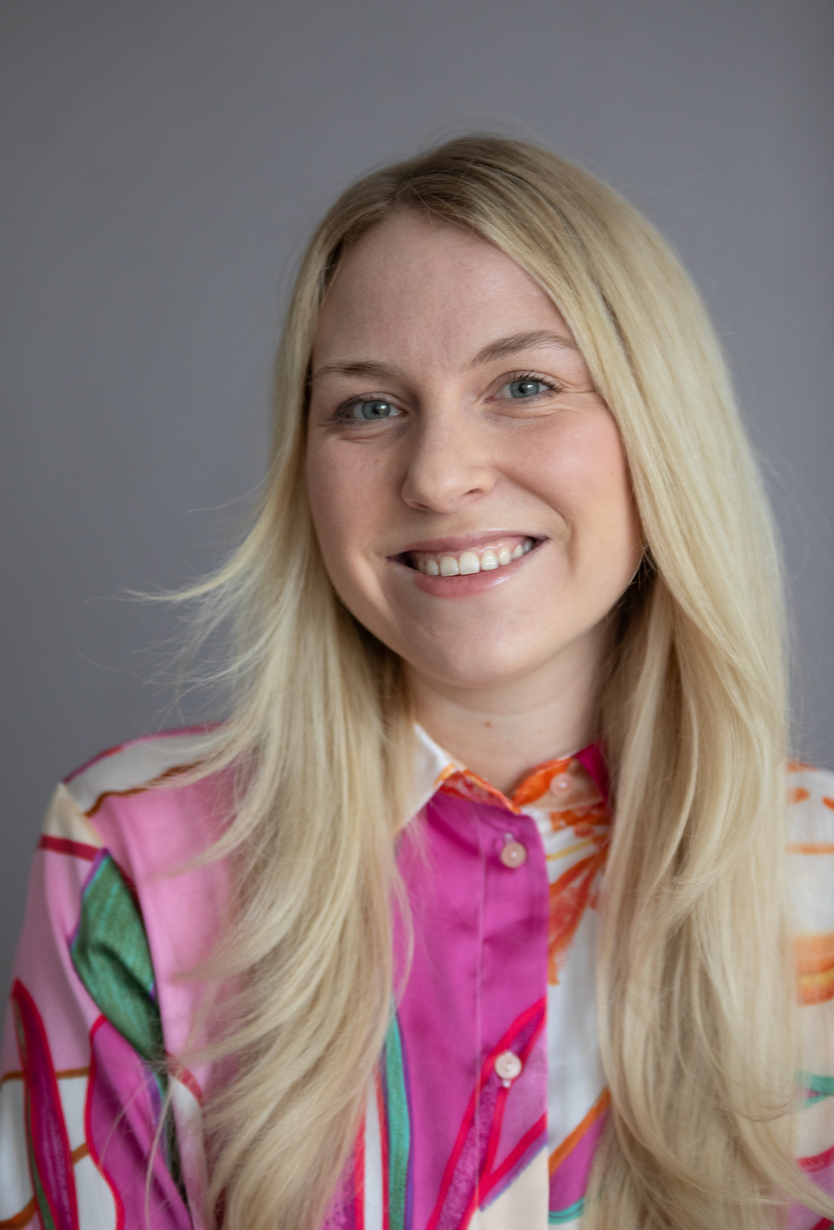
My name is Lena, I’m 31 years old, an author, podcaster, and health influencer.
With @Endomood_, I created a platform that is especially close to my heart.
As someone living with endometriosis myself, I know how challenging this condition can be. That’s why education and awareness are so important to me. I want to speak up for everyone living with endometriosis who often goes unheard for far too long. Through social media, I connect with many people facing similar challenges and create a safe space where they can feel understood and realize: you are not alone.
But my awareness work doesn’t stop online. I also speak on the radio, in newspapers, and on my podcast “Hereinspaziert: Kaffeeklatsch mit Endometriose” to reach even more people and raise awareness about the condition. Together with my doctor, I also wrote the book “Deine Endometriose-Alltagshelfer”, a practical companion for everyday life with endometriosis.
More Information:
Book: https://amzn.eu/d/0cTWJEuS
Podcast:https://open.spotify.com/show/1nf9XyvhiBtJWNuIU1CLej?si=a90122c579a5486a
Instagram: https://www.instagram.com/endomood_
Website: www.endomood.de