
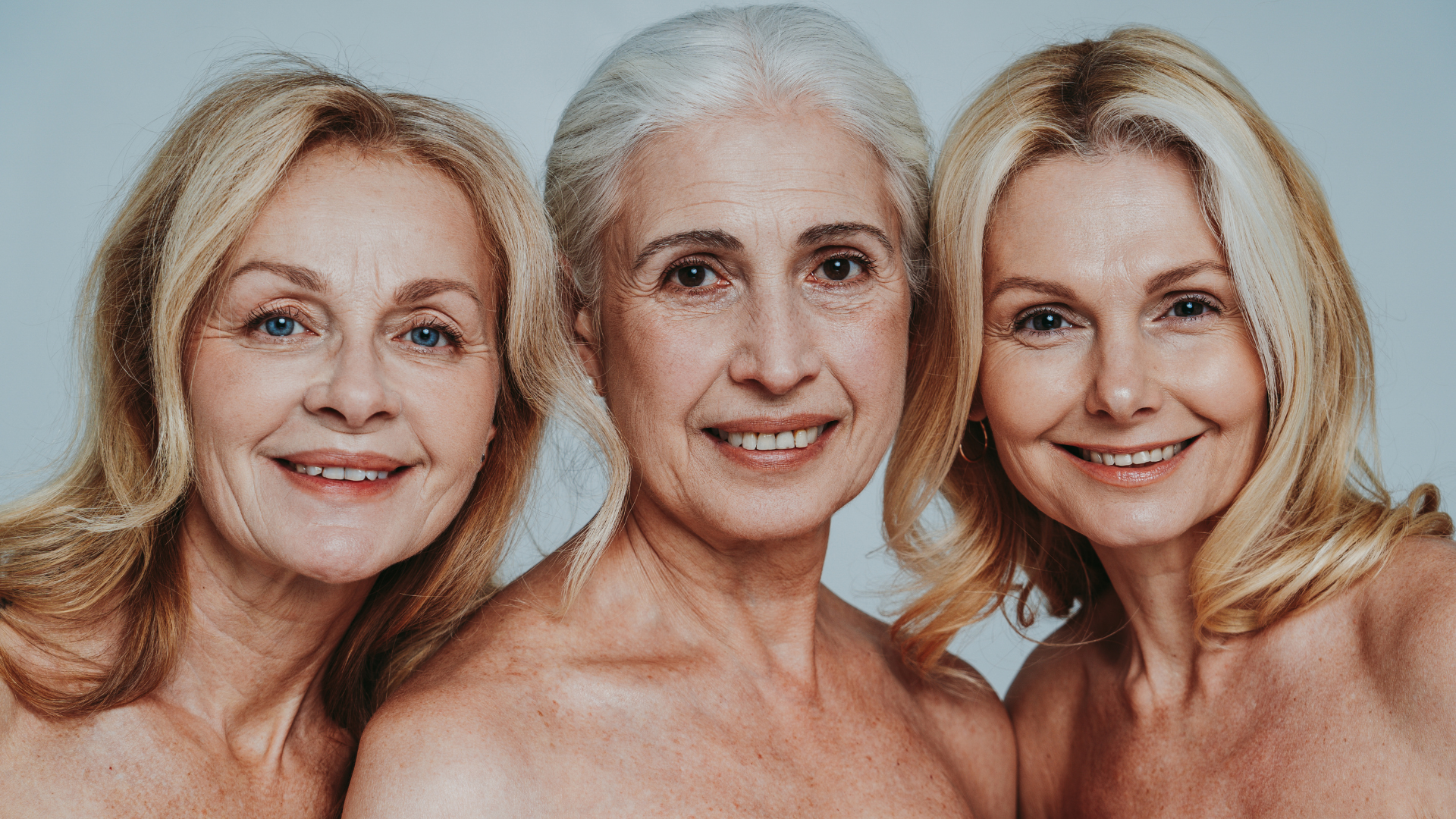
Hot flushes and sleep disturbances are among the most widely recognised symptoms of the (peri)menopause, a phase of life also associated with the medical term climacteric. Far less attention, however, is given to the impact hormonal changes can have on intimate health. Yet symptoms such as vaginal dryness, burning sensations or pain during sex can significantly affect quality of life, with consequences that extend well beyond sexual intimacy into everyday life. Despite being far from uncommon, these changes are often not recognised as being associated with the (peri)menopause. Limited awareness, uncertainty and the persistent stigma surrounding intimate health concerns mean that many women hesitate to speak openly about their symptoms or simply accept them as an inevitable part of the (peri)menopause. As oestrogen levels decline, the vulva and vagina can also change. The mucous membranes may become thinner, drier and less elastic, while natural lubrication may decrease.*1 The extent to which these hormonal changes affect intimate health varies from person to person. While some women notice hardly any changes, others develop symptoms that may become more pronounced over time. According to the European Menopause and Andropause Society, approximately one in two women after menopause is affected by vulvovaginal atrophy.*² This refers to changes in the vaginal and vulvar tissue that are particularly associated with declining oestrogen levels. These figures highlight the significance of an aspect of the (peri)menopause that continues to receive comparatively little attention in discussions surrounding women’s health.
It is therefore particularly important for women to consciously notice changes in their own bodies, understand possible connections and seek medical advice if necessary. The work of Dr. med. Britta Kühlmann also demonstrates the importance of taking a holistic view of each individual’s situation. As a medical doctor and plastic and aesthetic surgeon, she supports patients experiencing hormonal changes and related symptoms during the (peri)menopause. Her approach considers not only individual symptoms but also their impact on physical health and personal wellbeing. “Many women do not initially associate changes in their intimate health with the (peri)menopause. This makes it all the more important to encourage open conversations and provide a clear understanding of what is happening in the body. Understanding these connections helps women make sense of the changes they experience and respond more consciously to their individual needs,” explains Dr. med. Britta Kühlmann.
When Hormones affect Intimate Health
Oestrogen plays an important role in maintaining the health and structure of vaginal tissue. During (peri)menopause, hormone production changes and declining oestrogen levels can affect, among other things, the tissue of the vulva and vagina as well as natural lubrication. For some women, this initially becomes noticeable during sex. When there is less natural moisture, friction can occur more quickly. As a result, penetration may be experienced as uncomfortable or painful, and burning sensations or irritation may occur during or after sex.*2
Dr. med. Britta Kühlmann adds: “Not every woman experiences hormonal changes during (peri)menopause in the same way. While some notice hardly any symptoms, others can be significantly affected by dryness, burning sensations or increased sensitivity. What matters, therefore, is not only which physical changes occur, but also how strongly they affect a woman’s personal wellbeing and everyday life.”
The effects of hormonal changes can also extend beyond sexual activity and become noticeable in everyday life. Alongside dryness, irritation and increased sensitivity in the intimate area, symptoms affecting the lower urinary tract may also occur. These can include increased urinary urgency, difficulty urinating or recurrent urinary tract infections, which may be associated with declining oestrogen levels. Such symptoms can be part of what is known as genitourinary syndrome of menopause (GSM). The term describes symptoms affecting the vulva, vagina and lower urinary tract that may be promoted by the decline in oestrogen during (peri)menopause.*3
Intimate Symptoms during (Peri)Menopause: Common but Rarely Discussed
The so-called LADY Study provides evidence of a possible gap between symptoms and their medical classification. For the study, 450 women between the ages of 40 and 70 were examined at university gynecological clinics in Greece. Signs of genitourinary syndrome of menopause were found in 87.6 percent of participants. Before the study, only 16 percent of the women had already been diagnosed with genitourinary syndrome of menopause. Only 31.3 percent of participants had previously discussed their corresponding symptoms with a healthcare professional. *4
The results cannot be universally applied to all women. However, they demonstrate that symptoms can occur without a connection to (peri)menopause being recognized. This makes it all the more important to take the signals of one’s own body seriously and understand possible causes. Not every physical change is automatically a cause for concern. However, anyone experiencing symptoms or noticing changes that raise questions or cause uncertainty should not hesitate to seek medical advice. A medical assessment can help identify possible causes, better classify symptoms and find individual options for relief.

Consciously Supporting Intimate Health
Hormonal changes can alter the needs of the intimate area. When natural lubrication decreases and the tissue feels drier or more sensitive, suitable lubricants can help support intimate wellbeing. Depending on the formulation, they can provide additional moisture and glide, alleviate dryness-related symptoms and reduce uncomfortable friction. Their use is not limited to sexual activity: depending on the individual product and its intended area of application, lubricants can also be used regularly in everyday life to counteract dryness and associated irritation and discomfort.
“Vaginal dryness often only becomes an issue when it affects sexual life. However, the symptoms can go far beyond this and also become noticeable in everyday life. Women should know that they do not simply have to accept these changes. Depending on the symptoms, suitable medical lubricants can be a valuable support in alleviating dryness-related symptoms and improving intimate wellbeing,” explains Dr. med. Britta Kühlmann.
Suitable lubricants can also make a noticeable difference during sexual activity. They supplement natural lubrication, improve glide and can therefore help alleviate dryness-related discomfort during sex. The Menopause Society also lists lubricants as an option for reducing corresponding symptoms.*³
The individual needs, the respective formulation and the intended area of application are decisive when choosing a suitable product. pjur has many years of experience in developing high-quality lubricants classified as Class IIb medical devices. The pjur med range includes different formulations specifically tailored to the needs of the sensitive intimate area. They provide additional moisture, improve glide and thus contribute to greater intimate wellbeing both during sex and in everyday life. Depending on the formulation, selected ingredients such as hyaluronic acid or jojoba oil complement the product properties and offer additional benefits for individual needs in the intimate area.
“There is no one-size-fits-all solution to intimate health concerns. While certain symptoms associated with dryness can be relieved with suitable products, others require targeted medical treatment. The key is to understand the underlying causes and work together with each patient to find an approach that reflects her individual needs and circumstances,” emphasises Dr. med. Britta Kühlmann.
Intimate Care as a Natural Part of Self-Care
Just as the body’s needs change over the course of life, the intimate area can also change. Especially during (peri)menopause, it can therefore be beneficial to consciously pay attention to these changes and adapt one’s routine to individual needs. Intimate health is about more than sexuality. Dryness and increased sensitivity can also affect everyday comfort and personal wellbeing. Recognising and responding to these changes can therefore become as natural a part of daily life as other forms of self-care. After all, intimate health matters at every stage of a woman’s life. It deserves open discussion and should be regarded as an integral part of personal health and wellbeing. “The (peri)menopause is a natural stage of life, but that does not mean women should simply accept the discomfort that may accompany it. Understanding their bodies, speaking openly about changes and seeking support when needed can make a meaningful difference to their wellbeing. After all, intimate health is not defined by age. It is an essential part of overall health and quality of life,” concludes Dr. med. Britta Kühlmann.
FAQ
Can vaginal dryness be related to menopause?
Yes. Changes in estrogen levels during menopause can affect vaginal tissue and natural lubrication. The mucous membrane may become drier and less elastic, while natural lubrication may decrease. Vaginal dryness is one of the common symptoms associated with genitourinary syndrome of menopause. *1
Why can sex become more painful during (peri)menopause?
When there is less natural moisture and the tissue loses elasticity, more friction can occur during sexual activity. This can make penetration uncomfortable or painful; burning or irritation may also occur. Lubricants can provide additional glide and reduce friction. *2
Can (peri)menopause also affect urinary tract infections?
Yes. Hormonal changes can also affect the lower urinary tract. This can lead to symptoms such as discomfort when urinating, increased urinary urgency and recurrent urinary tract infections.
What can help with vaginal dryness?
Depending on the cause and severity, different options may be considered. Lubricants can provide additional glide during sexual activity. For more severe or persistent symptoms, medical treatment options are also available, including locally applied estrogen. Which option is suitable should be discussed individually with a doctor. *1
Can lubricant also be used with sensitive or dry mucous membranes?
Yes. Especially in cases of dryness, a suitable lubricant can help reduce friction. Depending on individual needs, different formulations may be appropriate. The pjur med range includes various water- and silicone-based lubricants for different requirements in the intimate area.
Do you have to wait until symptoms occur before using intimate care?
No. Intimate care can be part of a conscious approach to one’s own body regardless of existing symptoms. If the needs of the intimate area change during (peri)menopause, it may be beneficial to adjust the products used accordingly and pay attention to good tolerability.

About Dr. med. Britta Kühlmann
Dr. med. Britta Kühlmann is a plastic and aesthetic surgeon out of deep conviction and with an approach that goes far beyond surgery. At the center of her work is the individual with her personality and personal needs. In the field of holistic medicine, Dr. med. Kühlmann takes a holistic approach that considers different aspects of health, physical wellbeing and quality of life. Her range of treatments includes hormone therapies, micronutrient analyses and individually tailored longevity treatments, among other things. She consciously takes the time to do so: time to look beyond the surface, answer questions in detail and carry out every treatment with care and precision. Because no body is the same, medical treatment should never follow a fixed pattern. Through her medical expertise and holistic treatment approach, Dr. med. Kühlmann brings a well-founded and holistic perspective to the hormonal and physical changes during (peri)menopause and their impact on health and wellbeing. For her, it is about far more than outward appearance. A positive body image arises from the interplay of physical health, inner wellbeing and a natural, individual radiance. Dr. med. Kühlmann considers the person as a whole and takes physical changes, health and personal wellbeing equally into account in her treatment. This holistic perspective is particularly valuable during a sensitive stage of life such as (peri)menopause. Her aim is to support women medically soundly, individually and with great sensitivity, with the goal of strengthening health and wellbeing while preserving their own naturalness and personality.
Links
Instagram: https://www.instagram.com/cineolux_dr.britta.kuehlmann/?hl=de
Practice website: https://drkuehlmann.de/
Cineolux website: https://cineolux.com/
Podcast on Spotify: https://open.spotify.com/show/6EVOVQUZzzEJgJExf4Oe9B
YouTube: https://www.youtube.com/@CINEOLUX
Sources
*1 AWMF: S3 Guideline “Peri- and Postmenopause – Diagnostics and Treatment”, AWMF Reg. No. 015-062, 2026
*2 European Menopause and Andropause Society (EMAS): “Menopause Essentials – Vulvovaginal Atrophy”, 2026
*3 The Menopause Society: “Genitourinary Syndrome of Menopause”, MenoNote, 2025
https://menopause.org/wp-content/uploads/for-women/MenoNote-GSM.pdf?
*4 The LADY Study: “The LADY study: epidemiological characteristics of prevalent and new genitourinary syndrome of menopause cases in Greece”, 2024.